



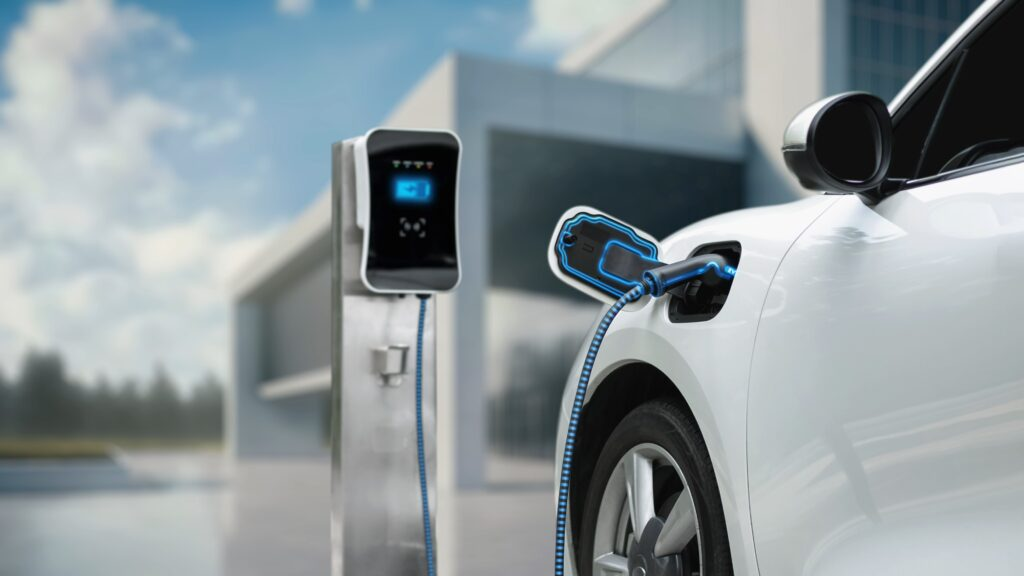
The Sudan Electric Vehicle Project is set to reshape the country's automotive industry as GIAD Industrial Group announced plans to launch Sudan's first locally developed electric vehicle (EV) project. Alongside the EV initiative, the company is expanding its vehicle manufacturing operations with new passenger cars, buses, trucks, and specialized commercial vehicles, reinforcing its position as one of Sudan's leading automotive manufacturers.
The announcement marks a significant milestone for Sudan's automotive sector as the country works to modernize vehicle production, introduce cleaner mobility technologies, and rebuild industrial capacity.
GIAD Accelerates Local Vehicle Manufacturing
The Sudan Electric Vehicle Project forms part of GIAD's broader strategy to revive domestic automotive manufacturing after resuming operations across multiple locations in the country.
Expanding Sudan's Vehicle Production
GIAD plans to manufacture and supply:
-
Passenger sedans
-
Electric vehicles
-
City buses
-
School buses
-
Heavy-duty trucks
-
Fire engines
-
Ambulances
-
Specialized commercial vehicles
The expansion demonstrates the company's commitment to increasing local vehicle production while reducing dependence on imported automobiles.
Sudan's First Electric Vehicle Takes Center Stage
The biggest highlight of the Sudan Electric Vehicle Project is the introduction of Sudan's first electric vehicle, expected to enter production during the first quarter of 2026.
Why Electric Vehicles Matter
Electric vehicles offer several advantages over conventional gasoline and diesel-powered vehicles:
-
Zero tailpipe emissions
-
Lower fuel costs
-
Reduced maintenance expenses
-
Quieter driving experience
-
Improved energy efficiency
-
Lower long-term operating costs
The launch places Sudan among a growing number of African countries investing in cleaner automotive technologies.
Electric Buses Could Transform Public Transport
In addition to passenger vehicles, the Sudan Electric Vehicle Project is expected to support the future development of cleaner public transportation.
Benefits for Public Transport Fleets
Electric buses can help:
-
Lower fuel expenditure
-
Reduce urban emissions
-
Decrease maintenance requirements
-
Improve passenger comfort
-
Reduce operating costs for transport operators
As African cities continue expanding, electric public transport is becoming an increasingly attractive mobility solution.
Commercial Vehicles Remain a Key Focus
Beyond electric mobility, GIAD continues strengthening its commercial vehicle portfolio.
Supporting Key Industries
The company manufactures vehicles for:
-
Construction
-
Emergency services
-
Mining
-
Agriculture
-
Municipal services
-
Fuel transportation
-
Water distribution
-
Logistics and freight
These vehicles play a vital role in supporting infrastructure development and economic growth throughout Sudan.
Local Manufacturing Supports the Automotive Industry
The Sudan Electric Vehicle Project is expected to contribute to the country's broader automotive ecosystem.
Benefits of Domestic Vehicle Production
Expanding local manufacturing can:
-
Create skilled automotive jobs
-
Strengthen local supply chains
-
Encourage technology transfer
-
Improve vehicle availability
-
Reduce vehicle import dependence
-
Support industrial development
Domestic assembly also allows manufacturers to produce vehicles better suited to local road and operating conditions.
Lower Vehicle Operating Costs for Drivers
One of the major objectives of the Sudan Electric Vehicle Project is to reduce ownership costs for both private motorists and fleet operators.
Cost Savings Through Modern Technology
Electric and modern fuel-efficient vehicles can help owners reduce:
-
Fuel expenses
-
Engine maintenance costs
-
Oil changes
-
Mechanical repairs
-
Long-term operating costs
These savings make newer vehicle technologies increasingly attractive for businesses and government fleets.
Supporting Sudan's Automotive Recovery
The reopening of GIAD's operations signals renewed investment in Sudan's automotive manufacturing sector.
As production resumes, the company plans to strengthen:
-
Vehicle assembly operations
-
Spare parts availability
-
Automotive maintenance services
-
Technical support
-
After-sales service networks
A stronger local automotive industry can improve vehicle accessibility while supporting national economic recovery. For more automotive industry news, vehicle manufacturing updates, and mobility developments across Africa, visit AfricaCarGroup.
Conclusion
The Sudan Electric Vehicle Project represents a major milestone for the country's automotive industry. By introducing Sudan's first electric vehicle while expanding production of passenger cars, buses, trucks, and specialized commercial vehicles, GIAD is helping position Sudan for the next generation of automotive manufacturing.
As electric mobility continues gaining momentum across Africa, the Sudan Electric Vehicle Project has the potential to reduce operating costs, encourage cleaner transportation, strengthen local vehicle production, and create new opportunities for the country's growing automotive sector.
Join the Conversation
Do you believe locally manufactured electric vehicles can transform Sudan's automotive industry? Share your thoughts in the comments and tell us how the Sudan Electric Vehicle Project could influence the future of vehicle manufacturing and clean mobility in Africa.


