

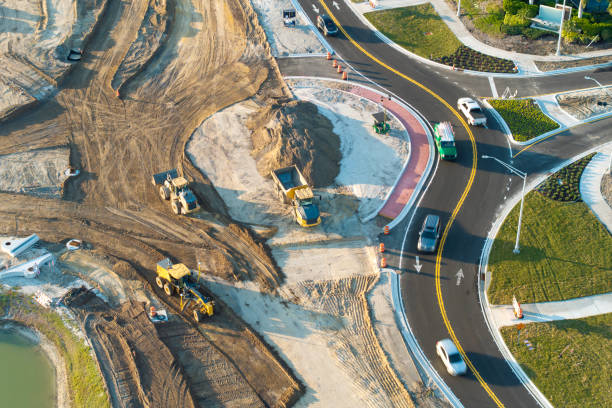
Sudan is facing a humanitarian and displacement crisis of unprecedented scale (with a peak of more than 11.5 million internally displaced people in January 2025). In this emergency context, the reconstruction and rehabilitation of transport infrastructure are not merely economic projects, but vital imperatives for survival and for supporting Humanitarian Logistics. Efforts are focused on creating reliable corridors to deliver aid and to lay the foundations for future Economic Recovery in Sudan.
Despite the ongoing conflict, development initiatives—often led by international partners and local entities—are concentrating on strategic bottlenecks to open up isolated regions and enable the flow of essential goods.
The Five Key Projects for Humanitarian Logistics
1. Port Sudan Modernization
Port Sudan is the country’s only major maritime gateway. The Port Sudan Modernization project aims to address operational inefficiencies, long vessel waiting times, and insufficient berth depth. The goal is to achieve a container handling capacity of around 500,000 TEUs per year and to implement a digital “single window” system to streamline customs procedures. Strengthening this port is essential for Humanitarian Logistics, as it secures the arrival of food aid and essential supplies.
2. Restoring Road Access for Humanitarian Aid (Road Access Humanitarian Aid)
The condition of roads—often severely degraded even before the conflict and further worsened by seasonal flooding—seriously hinders humanitarian access (as seen in regions such as Darfur and Kordofan). Humanitarian actors (including IOM and WFP) are focusing on facilitating Road Access Humanitarian Aid by carrying out emergency repairs on critical routes. These Humanitarian Logistics initiatives prioritize cross-border corridors and vital internal roads.
3. Social Infrastructure Projects by the African Development Bank (AfDB)
The AfDB and IOM signed a USD 62 million agreement in October 2025 to support the reconstruction of social infrastructure. While primarily targeting health and education, these projects also include the rehabilitation of small roads and community-level access routes. These improvements in local Infrastructure Resilience are crucial to allow displaced populations and host communities to move safely and access essential services.
4. The Role of Regional Energy and Transport Corridors
The underdevelopment of transport and energy infrastructure remains a major barrier to trade and Regional Economic Integration. Over the longer term, Sudan must focus on completing road links to consolidate Port Sudan’s position as a gateway not only for Sudan, but also for neighboring countries. Strengthening Infrastructure Resilience is key to the country’s future Economic Recovery in Sudan.
5. Monitoring Population Movements to Target Mobility-Focused Repairs
The International Organization for Migration (IOM) monitors population movements (with the number of displaced people decreasing from 11.5 million in January to 9.5 million in September 2025). This mobility data is used to target return areas and identify immediate Infrastructure Resilience needs, including the reconstruction of destroyed bridges and roads leading back to areas of origin, to support returns and restart Economic Recovery in Sudan.
Rebuilding transport infrastructure is the first necessary step toward restoring normalcy, facilitating humanitarian aid, and enabling eventual Economic Recovery in Sudan. For organizations seeking robust vehicles to operate in these challenging environments, platforms such as Auto24 are a valuable resource.
Which project do you believe is most critical for immediate Humanitarian Logistics in Sudan: accelerating Port Sudan Modernization or securing and repairing Road Access Humanitarian Aid routes to crisis-affected regions?
Share your opinion below!