

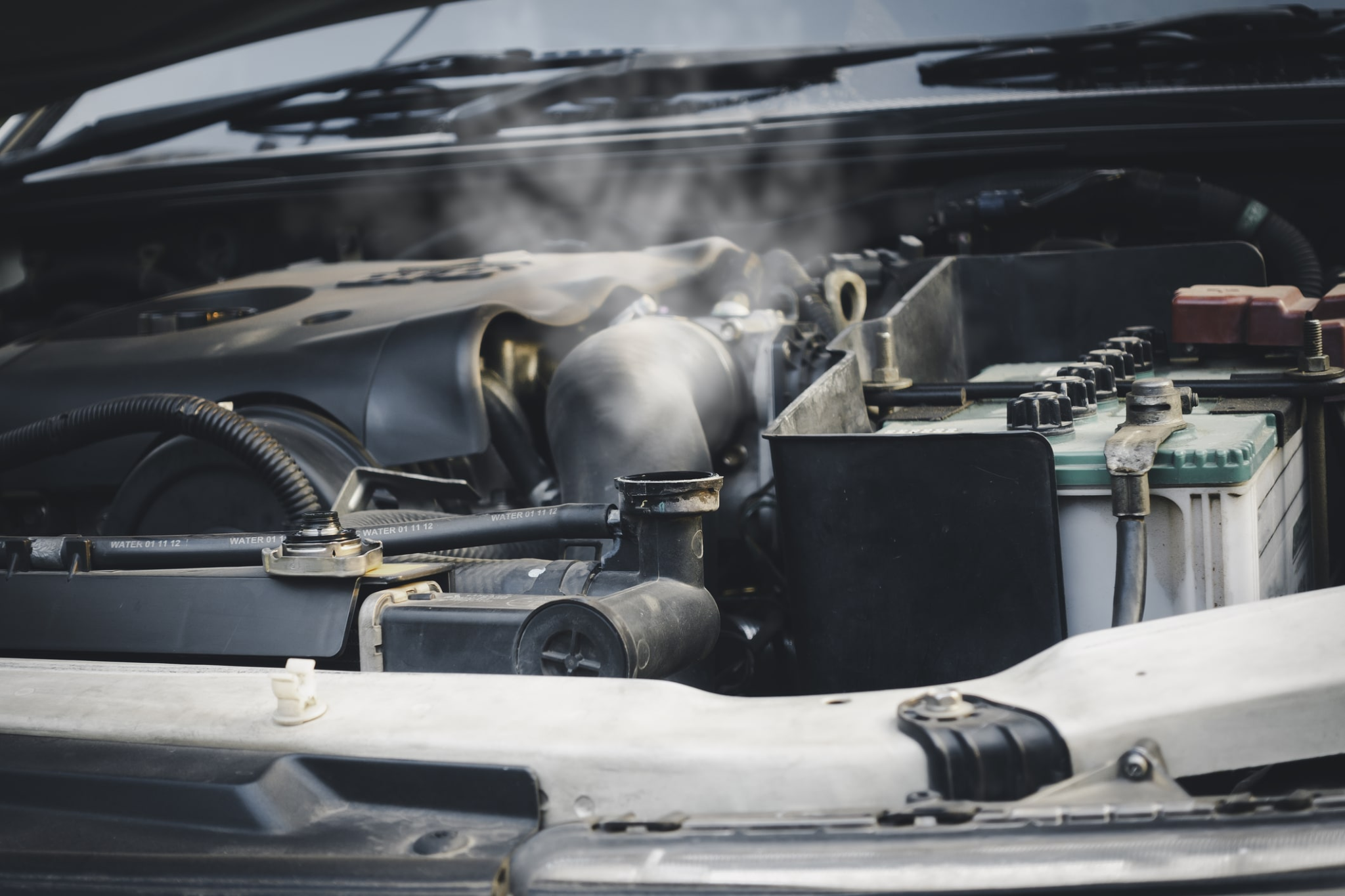
Sudan's extremely hot climate can place tremendous stress on your vehicle, particularly during long journeys or when driving in heavy traffic. High ambient temperatures increase the workload on your engine and cooling system, making overheating one of the most common causes of roadside breakdowns. Learning how to Prevent engine overheating Sudan is essential for protecting your engine, reducing repair costs, and ensuring reliable performance throughout 2026.
Whether you're driving through Khartoum or traveling across long desert highways, regular maintenance and smart driving habits can help your engine cope with extreme heat.
Keep the Cooling System in Top Condition
Your vehicle's cooling system is the first line of defense against overheating. It circulates coolant through the engine and radiator to regulate operating temperatures.
To Prevent engine overheating Sudan, inspect the cooling system regularly and look for:
-
Low coolant levels.
-
Leaking hoses.
-
Cracked radiator.
-
Faulty radiator cap.
-
Damaged water pump.
Addressing small cooling system issues early can prevent major engine damage.
Check Coolant Levels Frequently
Coolant plays a vital role in absorbing excess engine heat. Always check the coolant level when the engine is completely cool. If the coolant level drops repeatedly, inspect the system for leaks and have the problem repaired promptly.
Change Engine Oil on Schedule
Engine oil reduces friction between moving parts while helping dissipate heat. Old or degraded oil becomes less effective under high temperatures. Following the manufacturer's recommended oil change intervals is one of the simplest ways to Prevent engine overheating Sudan and improve engine longevity.
Monitor the Temperature Gauge
Your dashboard temperature gauge provides an early warning if engine temperatures begin rising above normal.
If the gauge approaches the red zone:
-
Pull over safely.
-
Turn off the engine.
-
Allow it to cool.
-
Check coolant levels after the engine has cooled completely.
Ignoring rising engine temperatures can lead to severe mechanical damage.
Inspect Belts and Hoses
Drive belts and radiator hoses are exposed to constant heat and pressure.
During routine maintenance, inspect them for:
-
Soft spots.
-
Loose connections.
-
Signs of coolant leakage.
Replacing worn components before they fail helps maintain reliable engine cooling.
Reduce Engine Stress
Driving aggressively during extremely hot weather increases engine temperature.
To help Prevent engine overheating Sudan:
-
Accelerate smoothly.
-
Avoid prolonged idling.
-
Reduce speed during very hot conditions.
-
Avoid carrying unnecessary loads.
-
Take breaks during long trips.
Gentle driving reduces heat buildup and minimizes strain on the engine.
Keep the Radiator Clean
- Dust, insects, and road debris can block airflow through the radiator, reducing cooling efficiency.
- Regularly inspect the radiator fins and carefully remove accumulated debris to improve airflow and heat dissipation.
- A clean radiator performs far more effectively during Sudan's extreme temperatures.
Schedule Preventive Maintenance
Routine servicing helps identify cooling system issues before they become serious.
Have a qualified technician inspect:
-
Cooling fans.
-
Water pump.
-
Coolant condition.
-
Engine belts.
Preventive maintenance is one of the best investments you can make in your vehicle. For more automotive news, expert maintenance advice, and practical driving tips from across Africa, visit AfricaCarGroup.
Keep Your Engine Running Cool
Learning how to Prevent engine overheating Sudan can save you from expensive repairs and unexpected breakdowns. By maintaining the cooling system, monitoring coolant levels, changing engine oil regularly, inspecting belts and hoses, and adopting careful driving habits, you can keep your vehicle performing reliably even in Sudan's challenging climate.
Join the Conversation
Have you experienced engine overheating while driving in Sudan's extreme heat? Share your maintenance tips and experiences in the comments below to help other drivers protect their vehicles and stay safe on the road!